
Promoting Initiatives in Priority Cooperation Areas in Japan-ASEAN Sports Cooperation (2024)
【Project Activities】
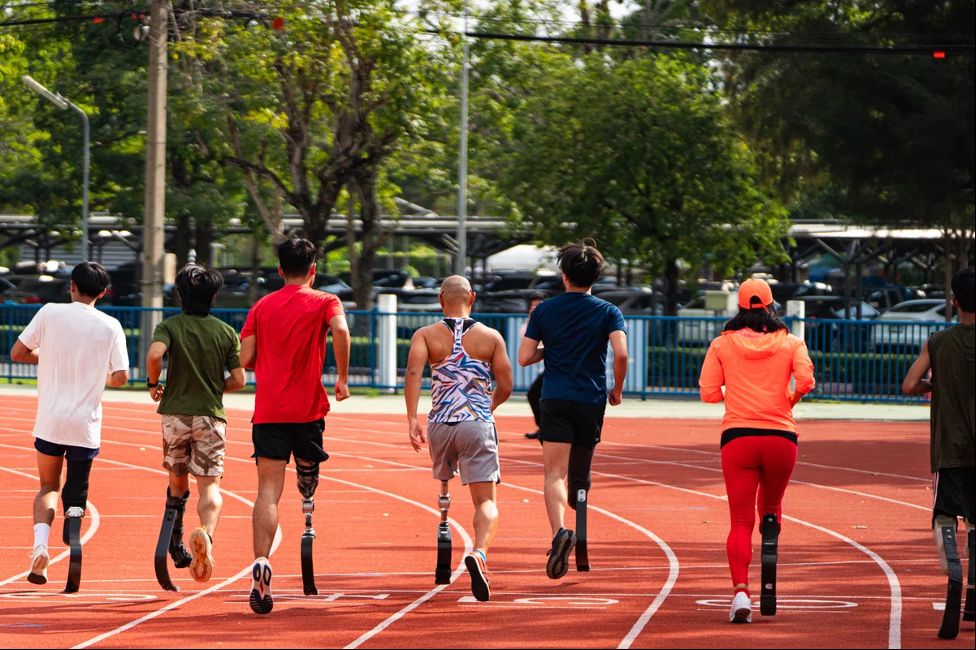
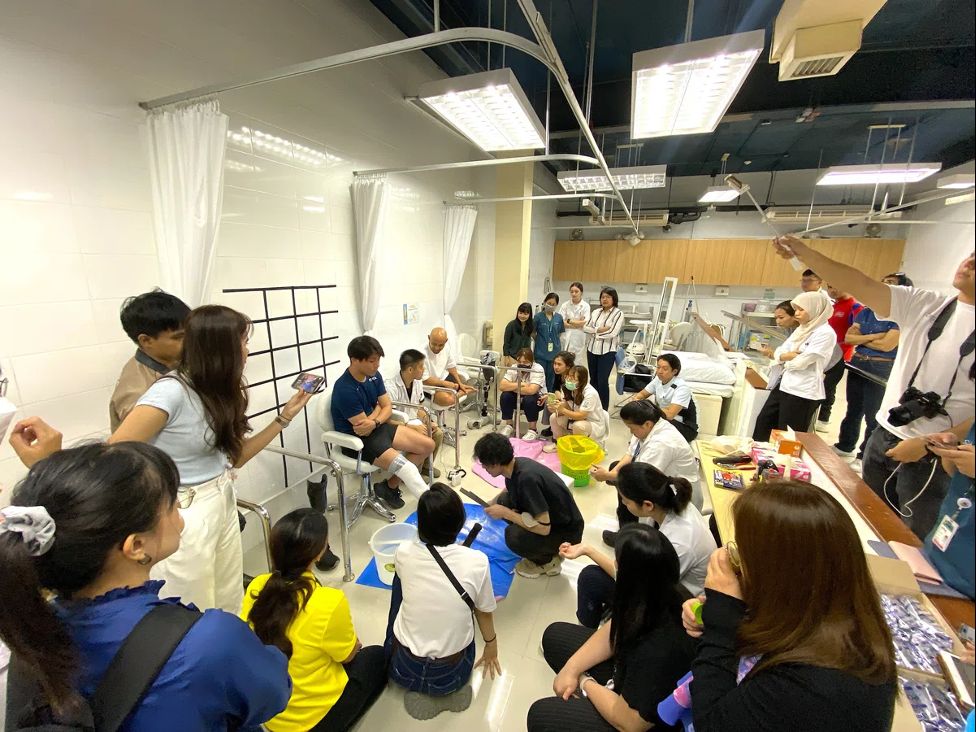
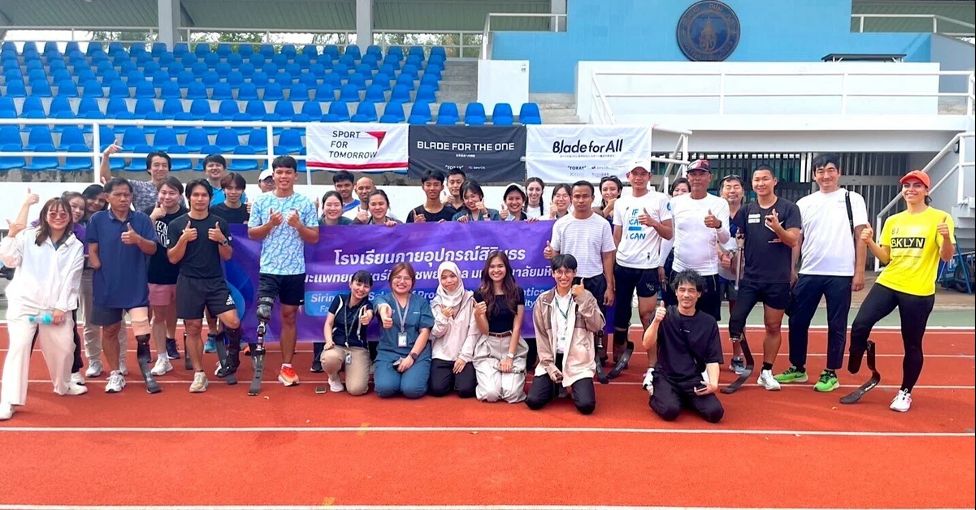
A three-day training program on running with prosthetic legs was conducted in Thailand for prosthetists/orthotists, athletes/coaches, and local prosthetic leg users. The program included workshops for prosthetists/orthotists, intensive training sessions for top athletes, and running clinics for prosthetic leg users. Participants came from various Asian regions, not just Thailand.
【Project Background】
Implemented under the SFT Action+ “Promotion of Initiatives in Priority Cooperation Areas in Japan-ASEAN Sports Cooperation.” This developed into a progressive project building on the past year’s invitation of top athletes/coaches from Thailand and existing connections with Mahidol University.
【Project Objective】
Creating an environment for the popularization, development, and strengthening of prosthetic leg runners in ASEAN countries.
【Project Area】
Promotion of sports
【Methods】
Holding seminars/forums
【Outcomes】
Approximately 100 direct beneficiaries learned from this training. It is estimated that secondary instruction will indirectly benefit about 100 prosthetic and orthotic students and 40,000 lower limb amputees in Thailand. Mahidol University, the implementing institution, is Thailand’s only training school for prosthetists/orthotists and one of the few ISPO (International Society for Prosthetics and Orthotics) Category I accredited institutions in Asia, thus influencing prosthetists/orthotists and prosthetic leg users not only in Thailand but across Southeast Asia and the wider Asian region.
【Voices from Participants and Partners】
Local student: “I could concretely visualize setting goals for sports prostheses from the appearance of athletes and general participants.”Top athlete: “We discussed coaching methods based on the conditions in each country and gained confidence in applying them in our home countries.”Local prosthetic leg user: “The participation of female athletes gave me courage, and by running with others, I was able to complete the program, which boosted my confidence.”
【Challenges and Lessons Learned】
Coordinating schedules with diverse stakeholders such as local medical professionals, school officials, and coaches/athletes from various countries was challenging, resulting in a very dense and intensive training. Specialized communication in a multinational and multilingual environment, along with inadequate internet access at the athletic track, posed barriers. Additionally, flexible judgment and environmental adjustments were required to adapt to local conditions different from Japan.
【URL】
- Time Period
- July 19, 2024 - December 13, 2024
- Region
- Thailand
- Sport/Programme Category
- Sprinting (with prosthetic legs)
- Implementer
- Xiborg Inc.
- Co-Implementer
- Mahidol University
- Number of Individual Beneficiaries
- Thailand: 40,212, Japan: 50, Laos: 6, Cambodia: 96, Iran: 3