
International Exchange Program through Sports (2024)
【Project Activities】
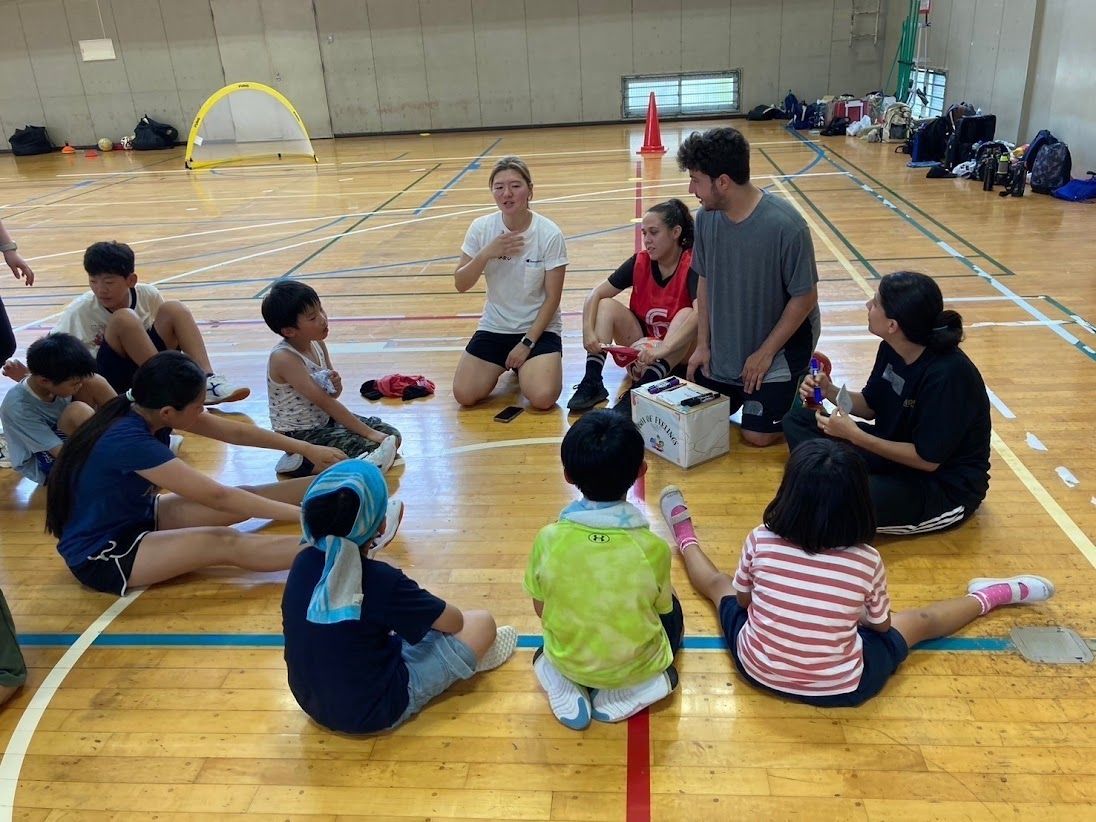
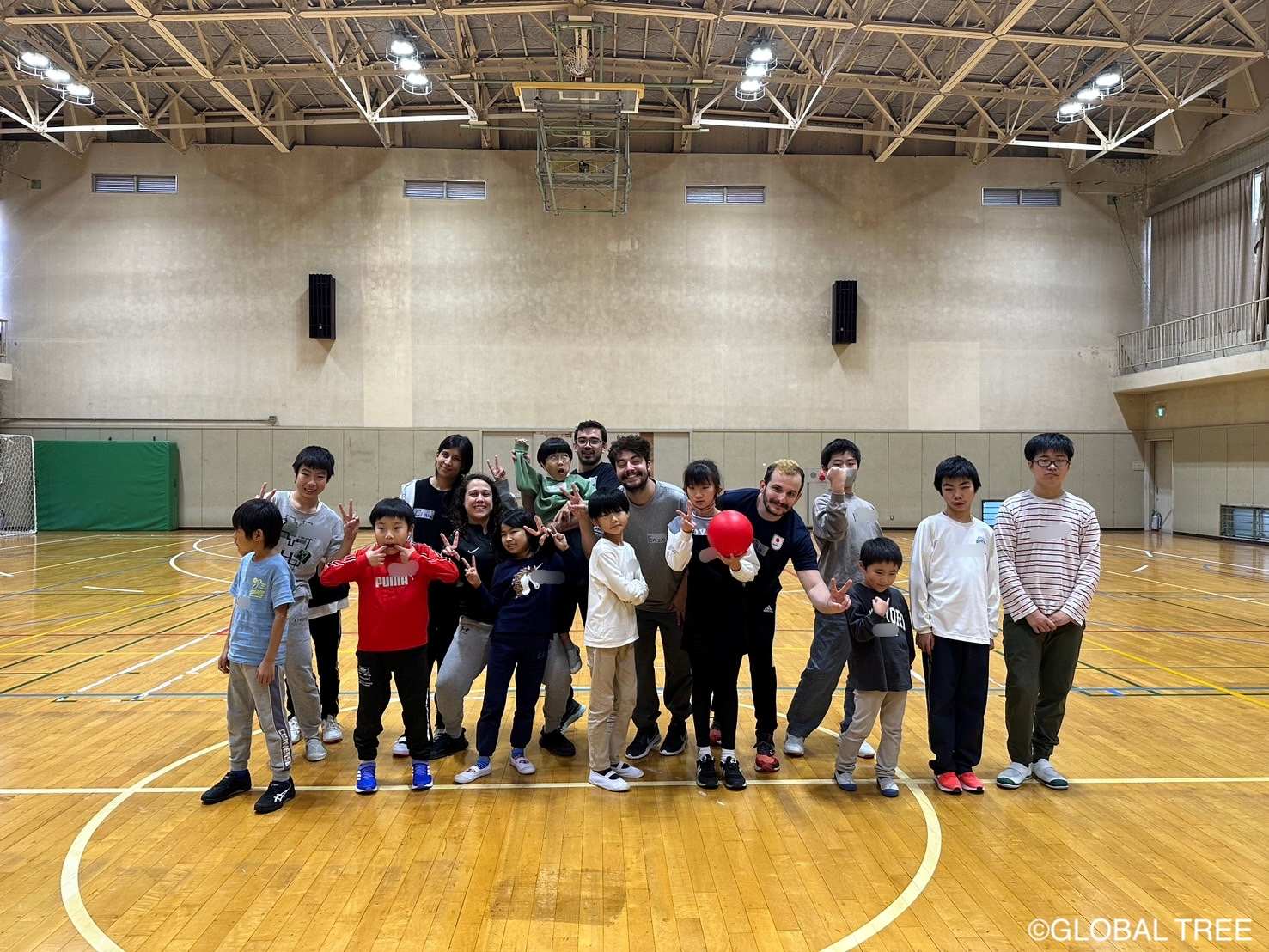
S.C.P. Japan, in collaboration with “University of Tsukuba / TIAS2.0” and “GLOBALTREE / Happy Life Care Co., Ltd. / Happy Holdings Co., Ltd.,” implemented an “International Exchange Program through Sports” for children with disabilities a total of six times.
【Project Background】
A new initiative as part of an alliance partnership with GLOBAL TREE.
【Project Objective】
1) To nurture individuals who can actively and interactively engage with others towards an inclusive society that respects diversity.
2) To provide opportunities for children with disabilities to have inclusive experiences that respect diversity.
3) To broaden new perspectives through international exchange and gain opportunities to understand each other’s cultures and ways of thinking.
【Project Area】
Education through sport
【Methods】
Program implementation
【Outcomes】
– Through collaboration among corporations, organizations, and universities, we were able to leverage each other’s strengths and create good practices that can be expanded to other regions.
– The implementation of activities combining team building with cooperative and competitive games effectively promoted exchange between participants and international students.
– By providing time for team strategy and tactics, many instances were observed where participating children communicated their thoughts and those of their teammates using diverse communication methods.
– Utilizing “Box of Feeling” (an initiative at the end of the program where children express their current emotions) and communication cards helped participants deepen their understanding of communication diversity and also provided clues for staff to understand the children’s feelings and needs.
【Voices from Participants and Partners】
– “It was fun talking to various foreign teachers.”
– “They worked hard to talk to me from the first time we met until we became friends.”
– “It was good to be able to visit the facilities before the activities to understand the participating children. I think it would be even better if we could have more time to deepen our understanding of participants and their needs.”
– “I think it was good for the children that the program proceeded not only in English but also with simple Japanese words and analogies with animals. As a result, the children’s English skills also improved little by little.”
– “There were comments like ‘I’m shy about English’ or ‘I’m shy about talking to strangers,’ but because it involved exercise and sports, that tension naturally eased.”
【Challenges and Lessons Learned】
・Need to clarify objectives and target skills: The prioritization of skills to be developed through the activities (such as physical, social, and English skills) was somewhat insufficient, leading to uncertainty in program design. Moving forward, it will be necessary to clearly define the target skills and design activity content based on them.
・Innovative approaches to motivation and reflection: Some children demonstrated spontaneous goals, such as “I want to memorize English vocabulary by the next session,” through the activities. Moving forward, we should incorporate strategies to draw out this intrinsic motivation and establish a system for ongoing reflection.
・Insufficient consideration of environmental factors (heat, travel): Since the program was held during the summer, there were concerns about heatstroke, necessitating a reevaluation of the venue and timing. In particular, some children mentioned that the travel distance was long, so future planning must prioritize creating an environment that reduces the burden on the children.
【URL】
- Time Period
- July 20, 2024 - November 9, 2024
- Region
- Japan (Ibaraki Prefecture, Tochigi Prefecture)
- Sport/Programme Category
- Soccer, Volleyball, Frisbee games, Foot Hockey, Movement games/Tag, Dodgeball, etc.
- Implementer
- S.C.P. Japan General Incorporated Association
- Co-Implementer
- University of Tsukuba / TIAS2.0, GLOBALTREE / Happy Life Care Co., Ltd. / Happy Holdings Co., Ltd.
- Number of Individual Beneficiaries
- Japan: 107, Mexico: 2, Brazil: 2, Chile: 1